


Pool shock treatment is one of those things that’s easy to do badly and expensive to do wrongly. Add too much and you’re locked out of your pool for a day. Add too little and the cloudy water you were trying to clear stays cloudy. Add it to a pool that doesn’t need it and you’ve just wasted product and pushed your stabilizer out of range. Done right, a shock is the reset button that keeps water clear through heavy use.
This page covers the action: when to shock, how much to add, what kind to use, how to apply it safely, and when to swim again. For the chemistry of shock (what it is and why it works), see the pool shock hub. For the FC/CYA relationship that determines your target level, see free chlorine and cyanuric acid.
Quick answer
Pool shock treatment is a targeted chlorine increase, not a routine cure-all. First verify pool volume, free chlorine, combined chlorine, pH, stabilizer, and the product’s available-chlorine strength. Choose the shock type for the pool system, calculate the dose from the measured gap, add it exactly as the label directs, keep swimmers out, circulate, and retest before anyone enters the water.
What this is not
Shock is not routine chlorine
Shock is breakpoint oxidation — raising FC high enough to destroy combined chlorine. Daily trichlor tabs or liquid chlorine are different mechanisms that maintain a residual, not oxidize buildup. Treating shock as routine chlorine wastes stabilizer and money.
Shock is not an algae shortcut
Algae recovery needs brushing, filtration, and frequently a SLAM-style sustained FC level. Throwing shock at a green pool without brushing leaves organic matter shielding the algae from chlorine. For full algae recovery see green pool.
When to shock: the decision tree
When your pool actually needs shock
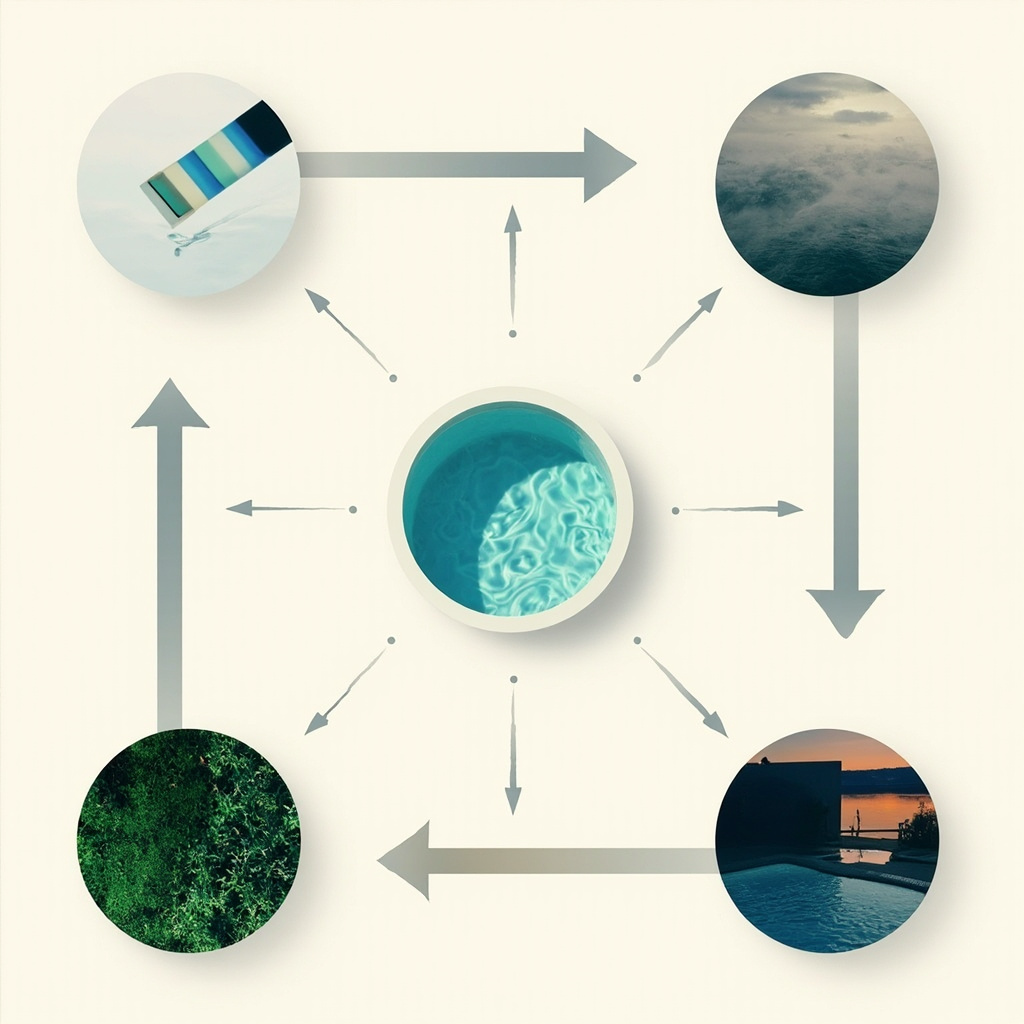
Pick the branch that matches your situation.
- Combined chlorine is above 0.5 ppm: This is breakpoint oxidation. Calculate the dose to raise FC to 10× CC (or your CYA-based target, whichever is higher), then add it after sunset and circulate.
- You see visible algae: This is no longer routine shock — it’s a recovery. Brush first, then follow the algae path in green pool. SLAM-style sustained FC is the standard; one shock dose alone rarely clears visible green.
- There’s been fecal or vomit contamination: Stop, follow CDC guidance, and shock to a specific FC level based on whether it’s formed stool, diarrhea, or vomit. Don’t improvise — the how to choose pool shock guide covers the framework.
- Heavy bather event: Test first. A pool party doesn’t automatically mean shock — only treat if FC has dropped below target or CC has climbed above 0.5 ppm. Otherwise let the residual recover naturally.
- Storm dilution or debris: Rebalance in safe order (TA → pH → shock → algaecide) before treating. Diluted water needs its CYA rechecked; debris-laden water needs brushing before shocking.
- Clear water and normal readings: Skip shock. Routine trichlor tabs or weekly liquid chlorine will maintain your residual. Adding unneeded shock raises CYA and locks up chlorine effectiveness over time.
What you’ll need
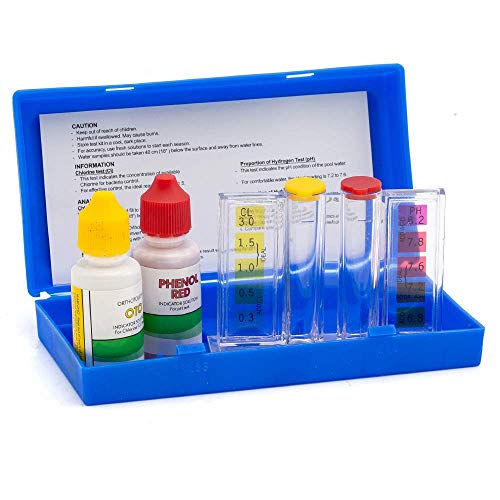
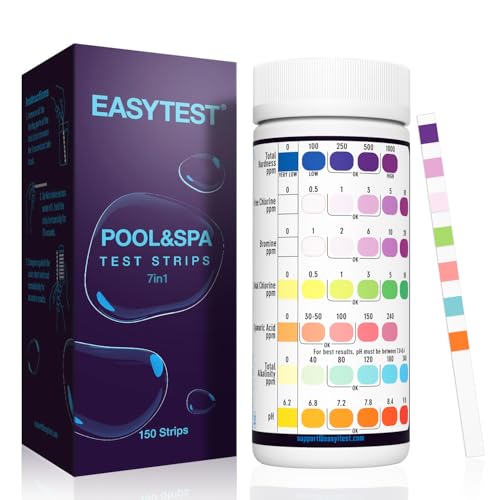
A test kit or strips — strips are fine for routine, but a drop-test kit is more accurate for breakpoint math where exact FC and CC matter. A shock product — most owners keep a bulk cal-hypo pail for the full season. PPE — gloves and eye protection. A wall brush to dislodge organics before shocking. And the pump running for 24 hours after the dose.
The shock product you pick matters less than the dose you calculate — but it should match your pool system.
How to choose your shock type
The three forms of pool shock
Three main shock types exist. None is universally best; pick by situation.
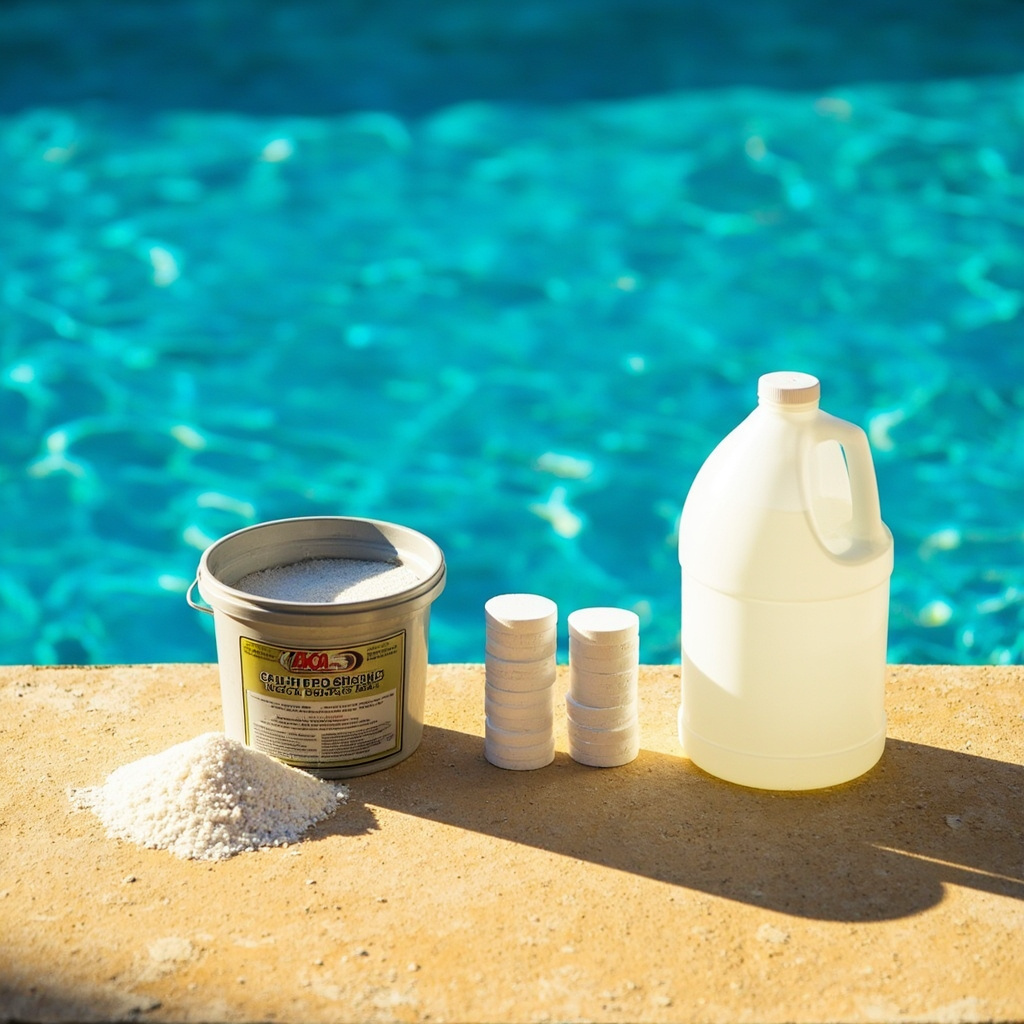
The choice between cal-hypo, dichlor, and liquid chlorine depends on your pool’s CYA, calcium hardness, and whether you run a salt cell. Each form has a specific use case where it shines — pick the one that matches your water profile, not the one that’s on sale.
Cal-hypo (calcium hypochlorite)
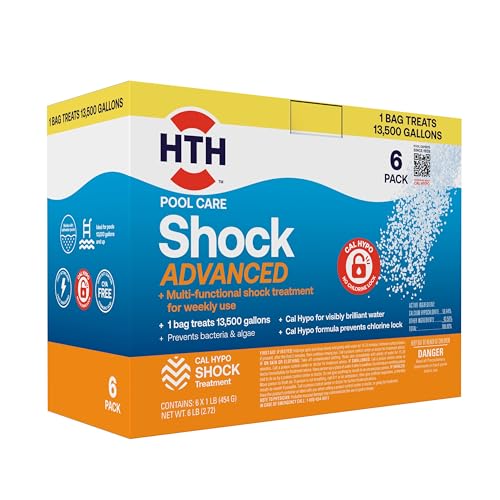
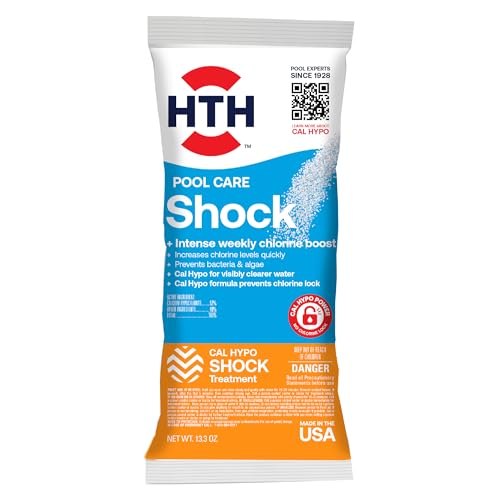
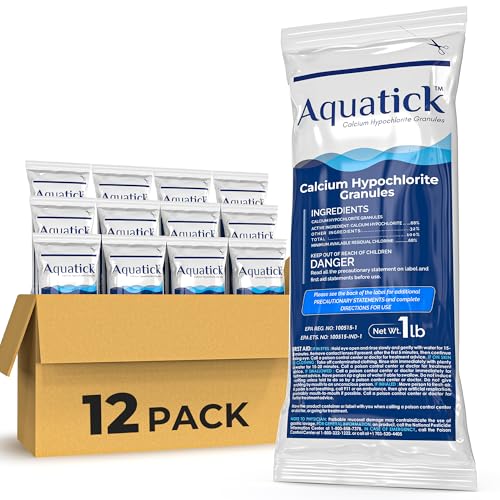
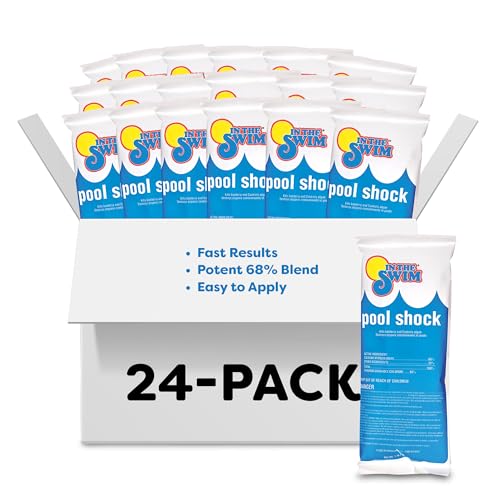
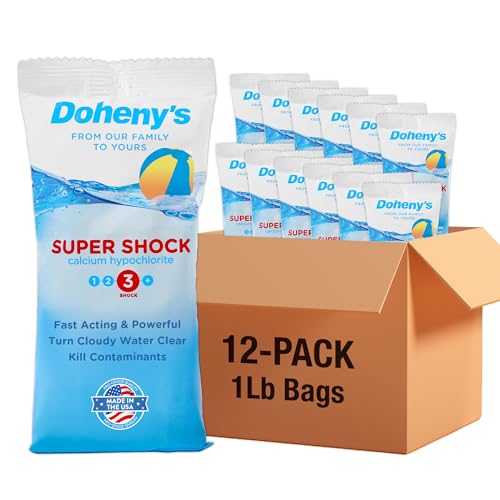
Granular, ~65% available chlorine. Cheap, easy to dose, fast-dissolving. Adds calcium to the water — fine for plaster and gunite pools but raises CH over time in vinyl or fiberglass. A 12-pack cal-hypo shock is the workhorse for inground pools up to 30k gal. For routine weekly shocks on a mid-size pool, a 12 x 1 lb HTH pack covers the summer without overshooting.
Dichlor (sodium dichloroisocyanurate)
Granular, ~56% available chlorine. Adds CYA to the water — useful for stabilizer maintenance in the first 30 days of opening, but problematic in established pools where CYA is already at 50–80 ppm. Avoid dichlor for routine weekly shocks once stabilizer is in range.
Liquid chlorine (sodium hypochlorite)
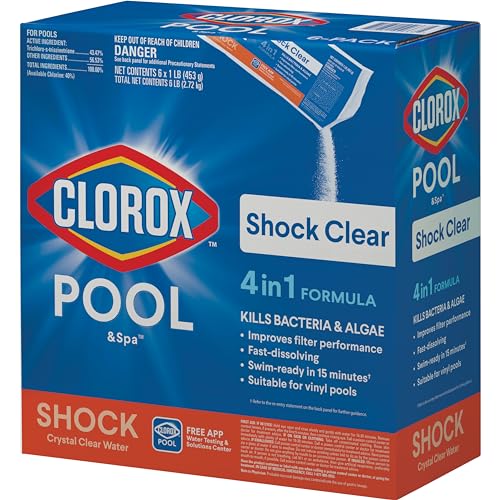
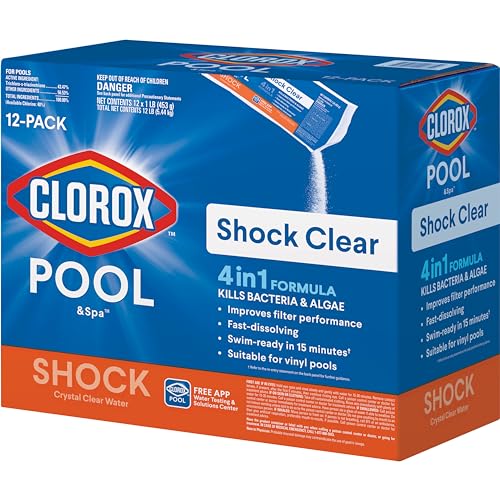
10–12% available chlorine by volume. No calcium or CYA added. Best for saltwater pools, vinyl liners, and any pool where CYA is already at the high end of range. Heavier to handle (5-gallon jugs) and loses potency over time, so buy fresh. If you want a clear-water cal-hypo that won’t cloud your pool during routine oxidation, Clorox Shock Clear is purpose-formulated for that — slightly pricier per pound but no overnight clouding.
For most inground plaster pools, cal-hypo is the default. For vinyl or fiberglass, switch to liquid chlorine. For saltwater, use liquid chlorine only — cal-hypo raises calcium which scales the cell.
If your pool takes weekly shocks during summer, a single-pound POOLACC dose is the right size for a 10–15k gallon pool; smaller above-ground pools often need only the budget HTH 1-lb can per dose. Service-tech-grade work usually means a pro-grade quick-dissolve shock where turnaround time matters.
How to apply pool shock treatment
Step 1: Verify volume and readings
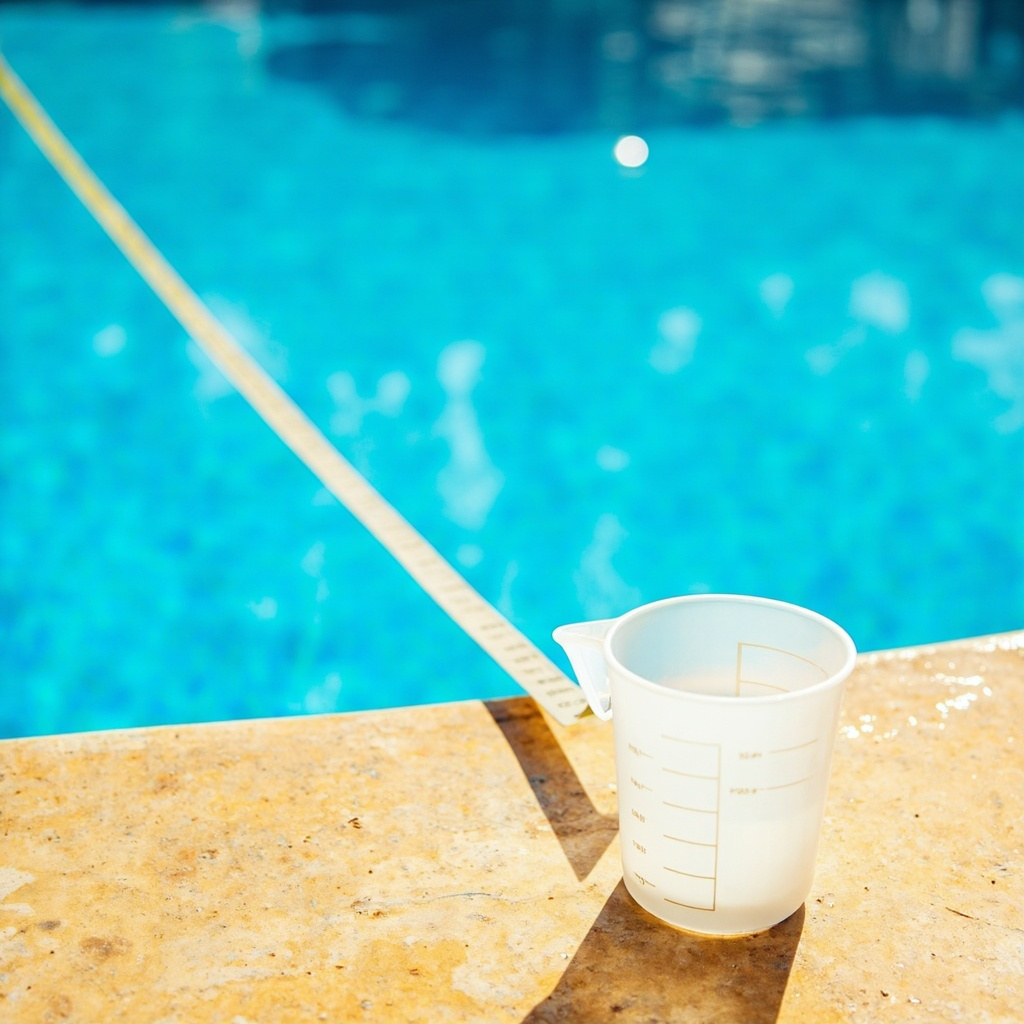
Use the chemical dose calculator with your actual gallons, not a guess. Test FC, CC, pH, and CYA before dosing. Adjust pH to 7.2–7.6 first — shocking above 7.8 wastes much of the dose.
Step 2: Calculate the dose
Breakpoint chlorination wants FC raised to 10× CC, but capped by your CYA-based target. For most pools with CYA at 30–50 ppm, target FC is 7–8% of CYA (roughly 4 ppm for 50 ppm CYA). Use the dose tool to convert that ppm into pounds or ounces based on gallons.
Step 3: Follow the label and circulate
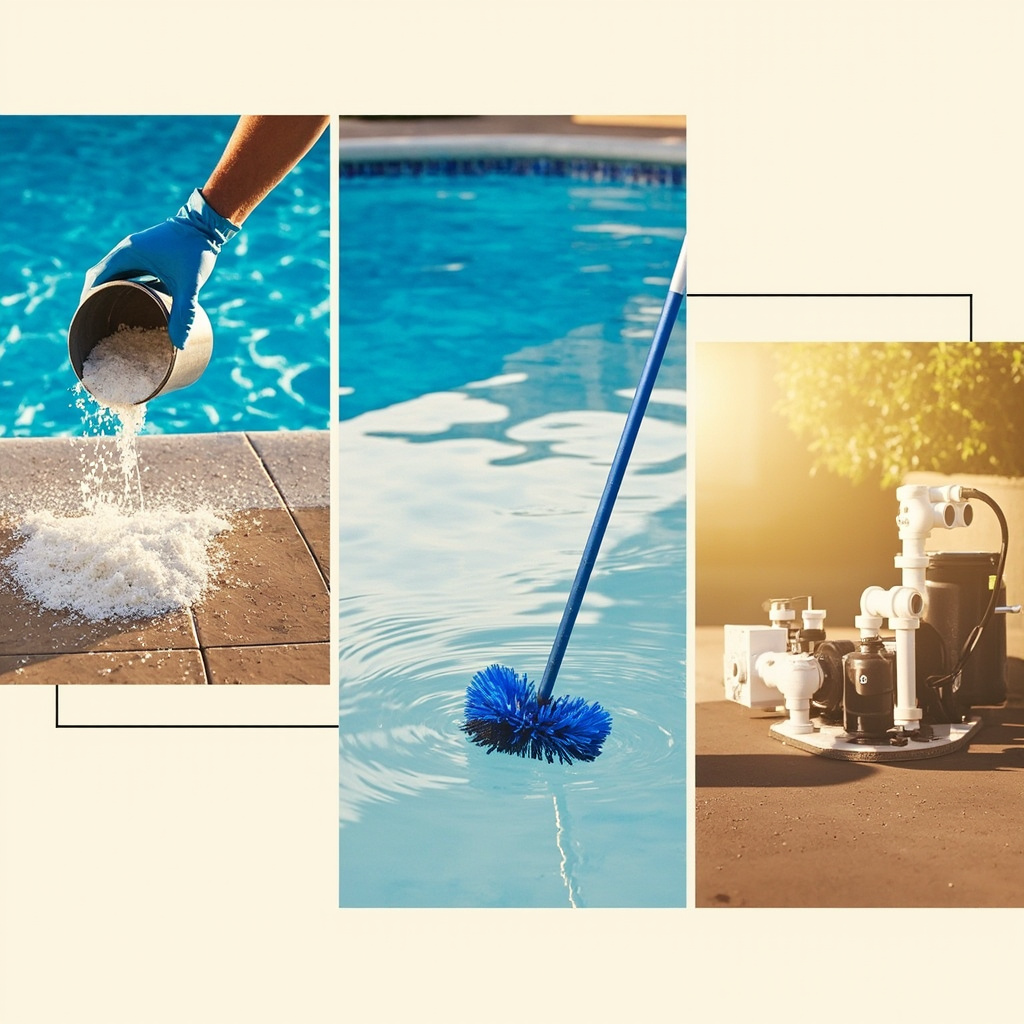
Pre-dissolve granular shock in a clean bucket of pool water per label directions. Pour slowly around the deep end with the pump running. Never add shock through the skimmer — see Safety below. Run the pump for at least 8 hours; 24 hours is better.
Step 4: Retest before swimming
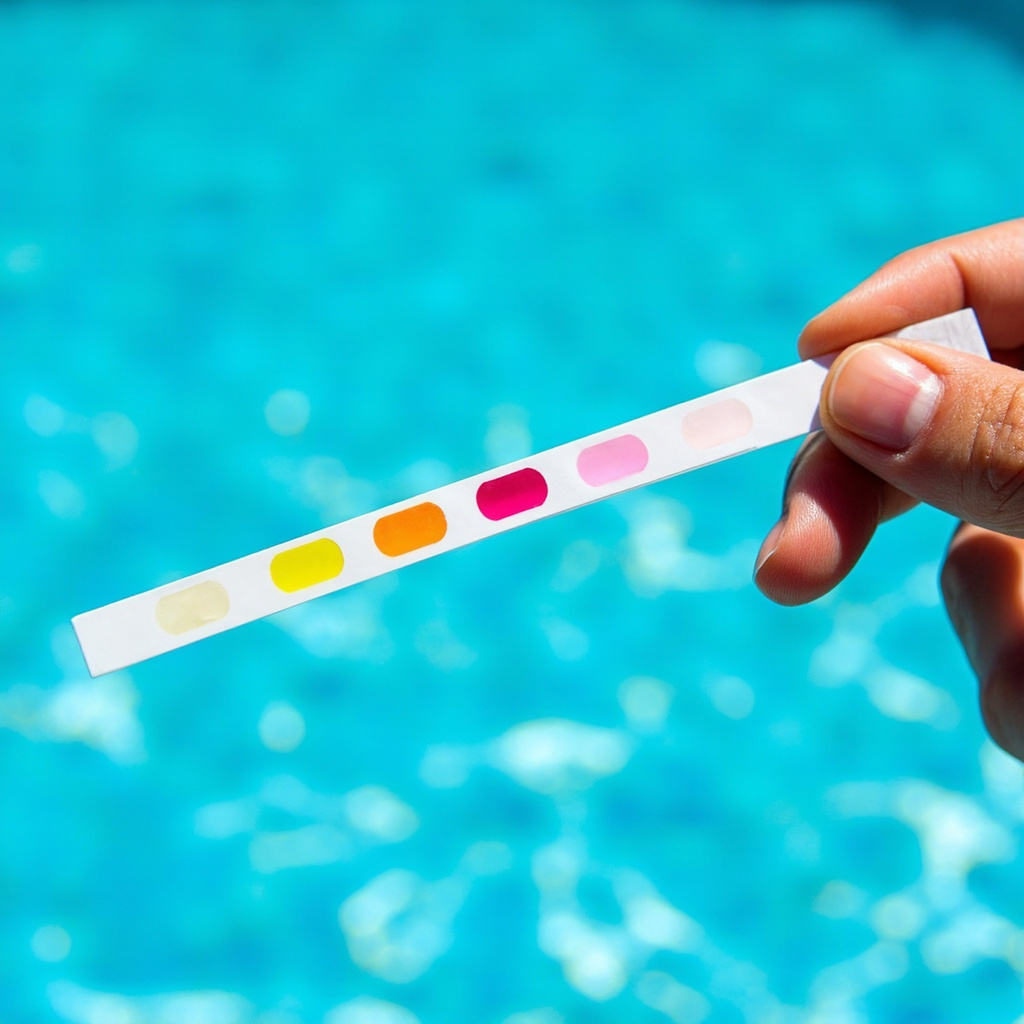
After 8–24 hours, retest FC with a 7-way strip or drop-test kit. Wait until FC returns to the product-label swimming range (typically below 5 ppm for cal-hypo, lower in stricter jurisdictions). Then retest pH and TA — shocking often raises pH slightly.
Safety notes
Safety gear for handling pool shock
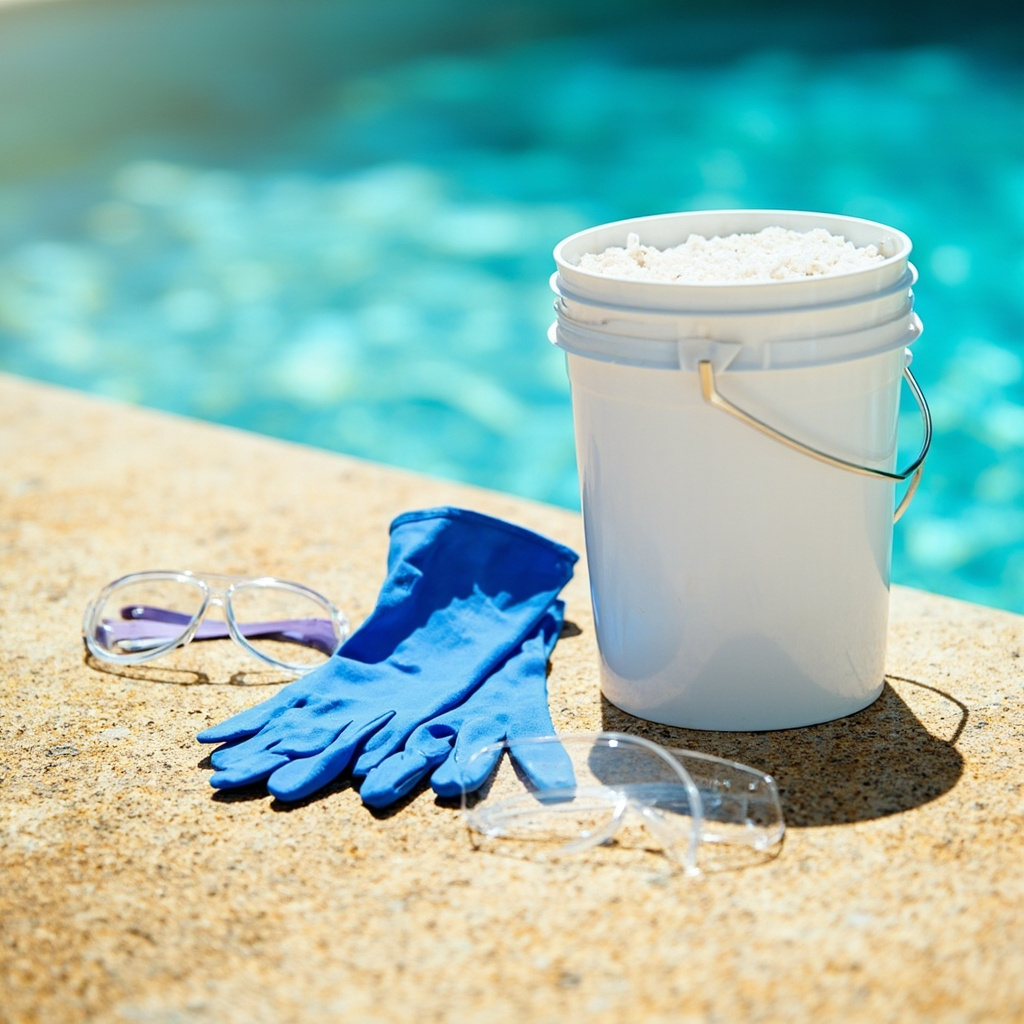
- Never mix different chlorine products dry or in a bucket. Combining trichlor tabs with cal-hypo shock creates a fast chlorine release and dangerous fumes. Add each to the pool separately, fully dissolved.
- Never pour shock through a skimmer that feeds an automatic chlorinator. The chlorinator holds concentrated chlorine; shock added there can trigger a violent reaction in the cell.
- Add chemical to water, not water to chemical, when pre-dissolving. Pouring water onto dry shock splashes concentrated reagent toward your face.
- Gloves + eye protection; don’t breathe dust from containers. Granular shock dust irritates lungs and skin.
- Store locked away from kids and pets. Even “swim-ready” products are dangerous if eaten.
When to call a pro
Keep DIY if: you can test water, brush, run the filter, and your FC is moving toward target after one or two doses.
Call a pro if:
- Persistent algae after correct chemistry and brushing (3+ days with no improvement)
- Pool won’t hold chlorine even after correct shock doses — usually means high CYA or equipment issues
- Pump or filter won’t prime, or you suspect electrical issues
- You’re not comfortable handling muriatic acid or large shock doses
Common mistakes
- Adding chemicals or gear by calendar without testing. Adding shock every Sunday regardless of CC wastes product and raises CYA. Test first, treat only what readings justify — your FC target depends on CYA, not the day of the week.
- Skipping pool-volume, fit, or compatibility verification. Dosing for “an average pool” instead of your real gallons under-doses a 20k pool. Use the chemical dose calculator with verified gallons before each addition.
- Treating one protection or treatment step as the whole system. Shocking without brushing lets debris shield algae. Brushing without filter flow re-circulates dislodged algae. Each step needs the others.
- Ignoring label, weather, circulation, or maintenance constraints. Adding shock in full sun wastes chlorine to UV. Skipping the filter cycle for 8 hours leaves the dose unmixed. Don’t dose in storms.
- Waiting through repeated failure instead of escalating. Three days of cloudy water with rising CC is a service call, not a “wait it out” situation. Persistent algae after correct chemistry is a professional escalation trigger.
Related
Key takeaways
- Shock is a targeted FC raise to oxidize buildup — not routine chlorine.
- Test FC, CC, pH, and CYA before every dose.
- Match shock type to your pool system: cal-hypo for plaster, liquid for vinyl or saltwater.
- Add chemical to water, never water to chemical; never through the skimmer.
- Keep swimmers out until FC returns to label swimming range.
- Retest FC and pH 8–24 hours after the dose before anyone enters the water.
- Call a pro for persistent algae or repeated chlorine-demand failures you can’t diagnose.