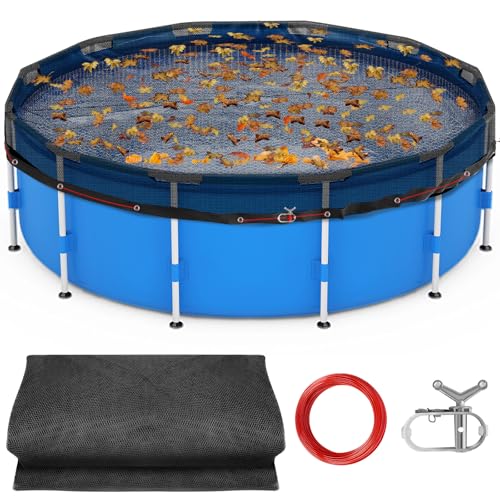
Fall pool care is the bridge between summer and winter — the part most owners skip until the first freeze is already in the forecast. Done early, fall care is a smooth reduction in run time and chemistry. Done late, it’s an emergency winterization with frozen plumbing and a green pool you can’t fix until spring.
This guide covers the cadence: leaf management, cold-water chemistry, run-time adjustments, equipment inspections, and the handoff to the winterize pool sequence. Use it alongside the weekly pool care routine you’re already running.
Quick answer
Fall pool care bridges summer operation and winter closing. Keep circulation and testing active while the pool remains open, remove leaves before they sink, reduce run time only as temperature and demand fall, and inspect the cover and equipment before freezing weather. Use test results — not the calendar alone — to decide on sanitizer changes, shock, water level, and the final closing sequence for your climate.
What this is not
Not the final winterizing procedure
Fall care prepares the pool for closing. The actual close — blowing out lines, draining, plugging, covering — lives in the winterize pool page. Use that for the final sequence.
Not a fixed date
Climate, water temperature, leaves, and freeze risk decide timing. A pool in Florida and a pool in Minnesota follow different fall calendars. Test results and water temperature are the actual trigger — not Labor Day.
Weekly fall checklist and closing handoff
Early fall (water 65–80°F)
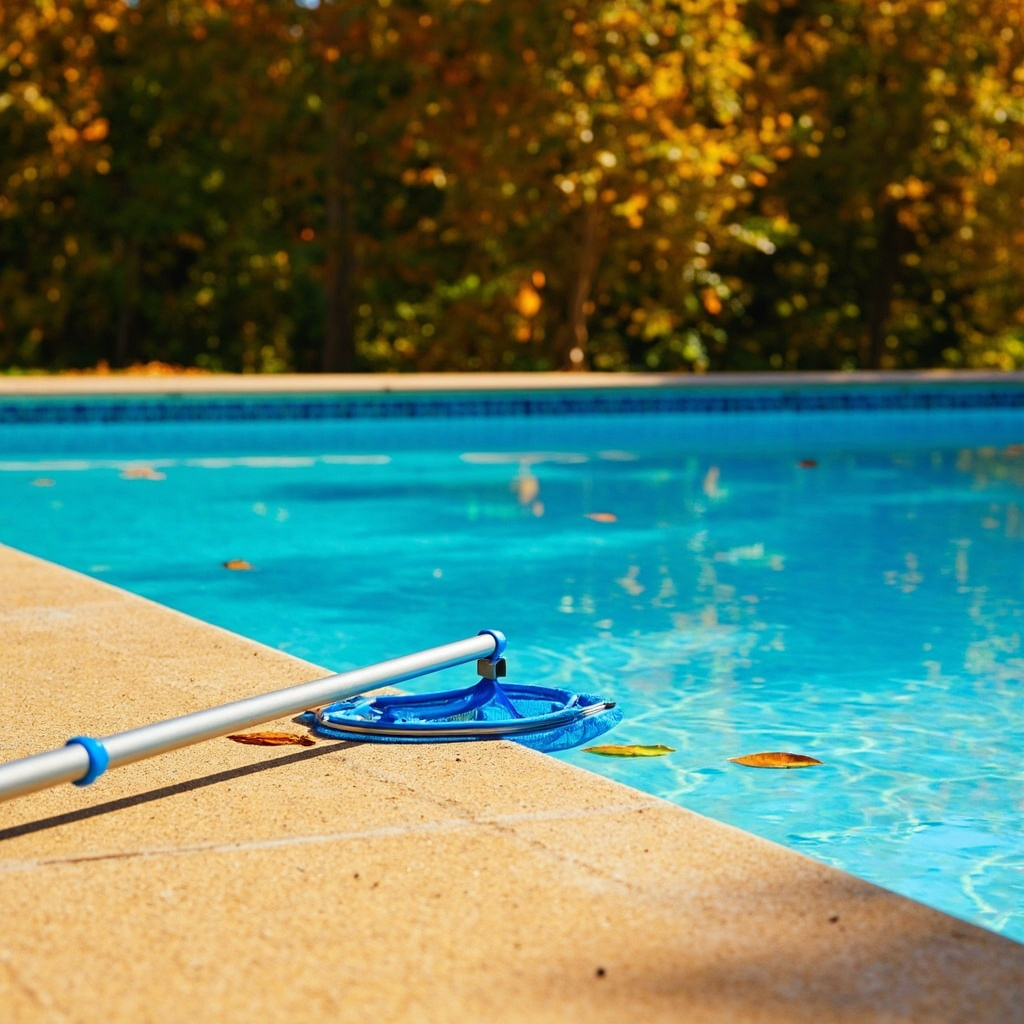
Continue full testing and cleaning. The pool is still swim-ready in early fall — chemistry demand is just starting to drop as water cools. Maintain your weekly pool care routine: test FC, pH, TA weekly; brush walls; empty baskets; vacuum as needed. Continue shocking only when readings justify it. Don’t switch to “closing mode” just because the calendar flipped — premature winterizing creates problems.
Peak leaf season
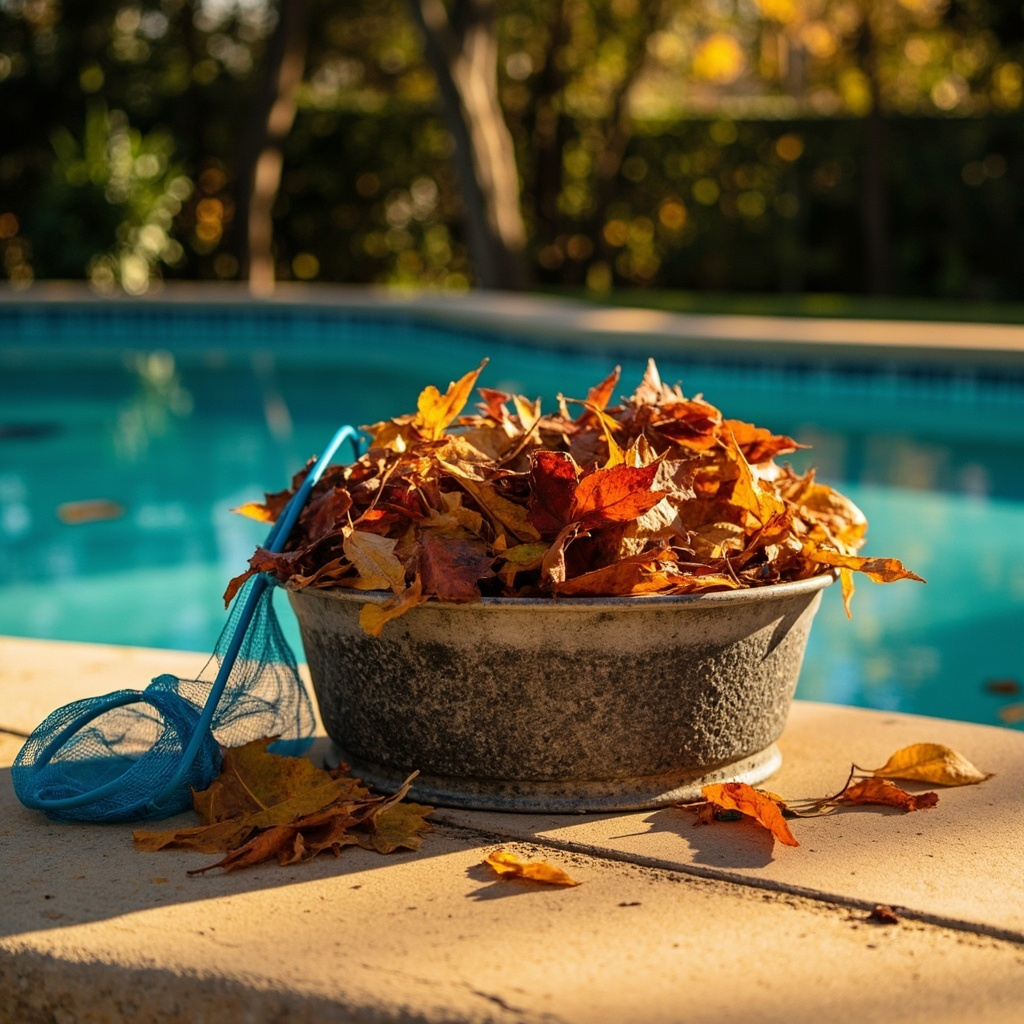
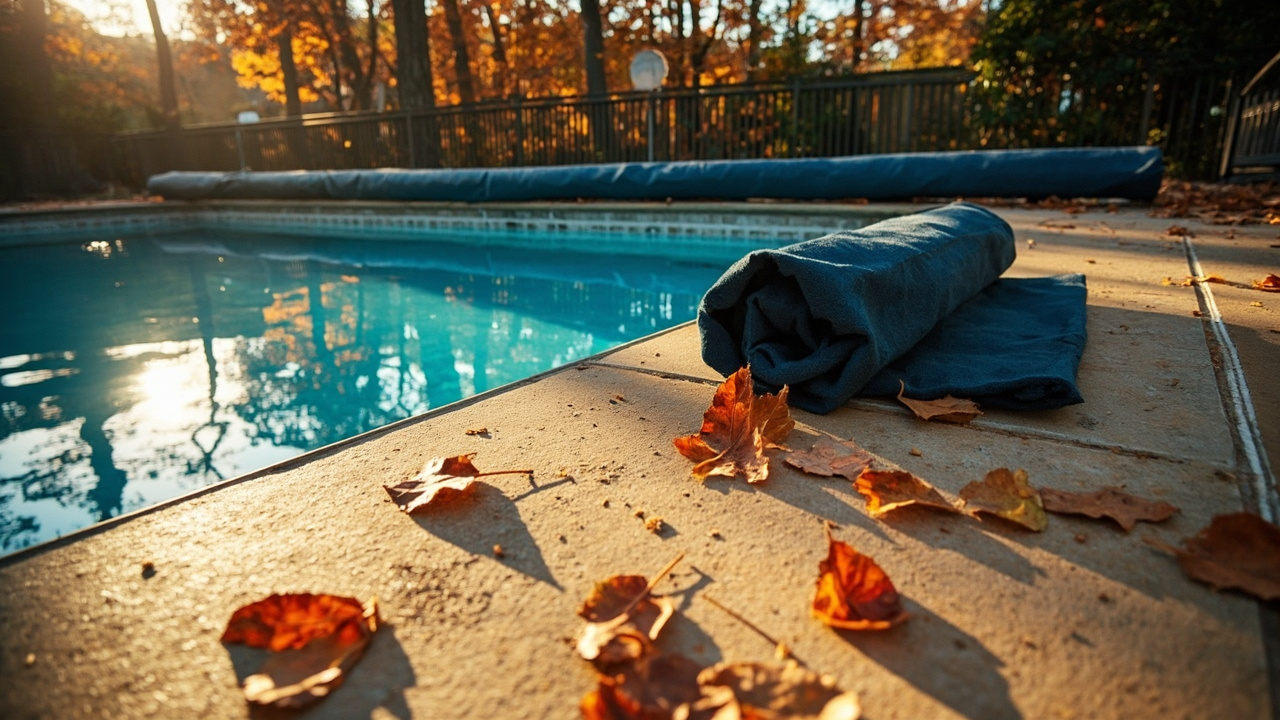
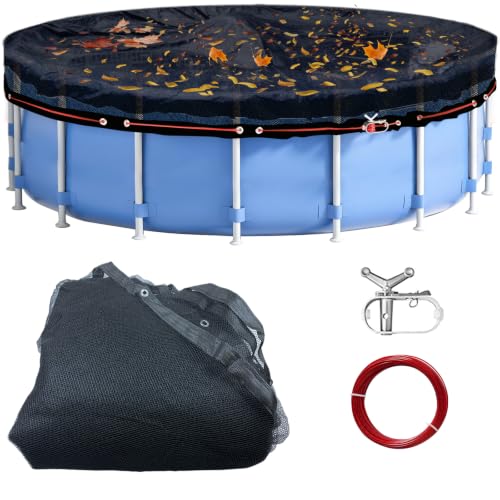
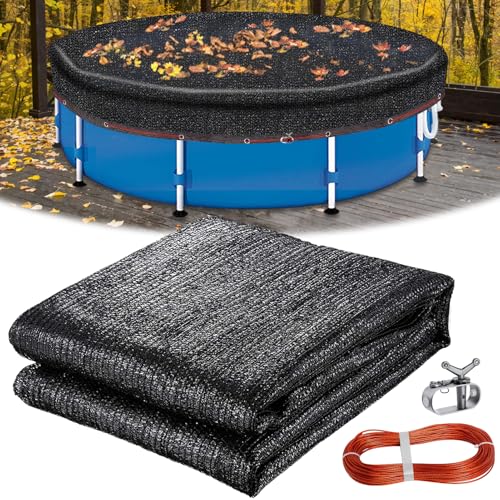
Prioritize debris before it sinks. Skim several times a week during peak drop; a leaf cover or fine-mesh leaf net on the surface catches most leaves before they reach the floor. Empty skimmer baskets more often — twice the normal cadence is not unusual during peak drop. A leaf cover like the 31 ft round leaf net keeps the leaves out without trapping rainwater; smaller pools can use a 21 ft leaf net or 28 ft leaf net sized to your pool.
Once leaves sink they stain plaster, feed algae all winter, and clog the filter when you finally close. The 10 minutes a day spent skimming in October saves a full spring cleanup in March. Removing leaves is mechanical work — chemistry won’t undo what staining does — but keep FC in target and pH in range during peak leaf drop so the load doesn’t drive your chlorine demand higher than necessary. See free chlorine for how leaf load raises FC demand, and if a heavy leaf load pushes CC above 0.5 ppm, follow the pool shock sequence before adding more winterizer.
Late fall (water below 65°F)
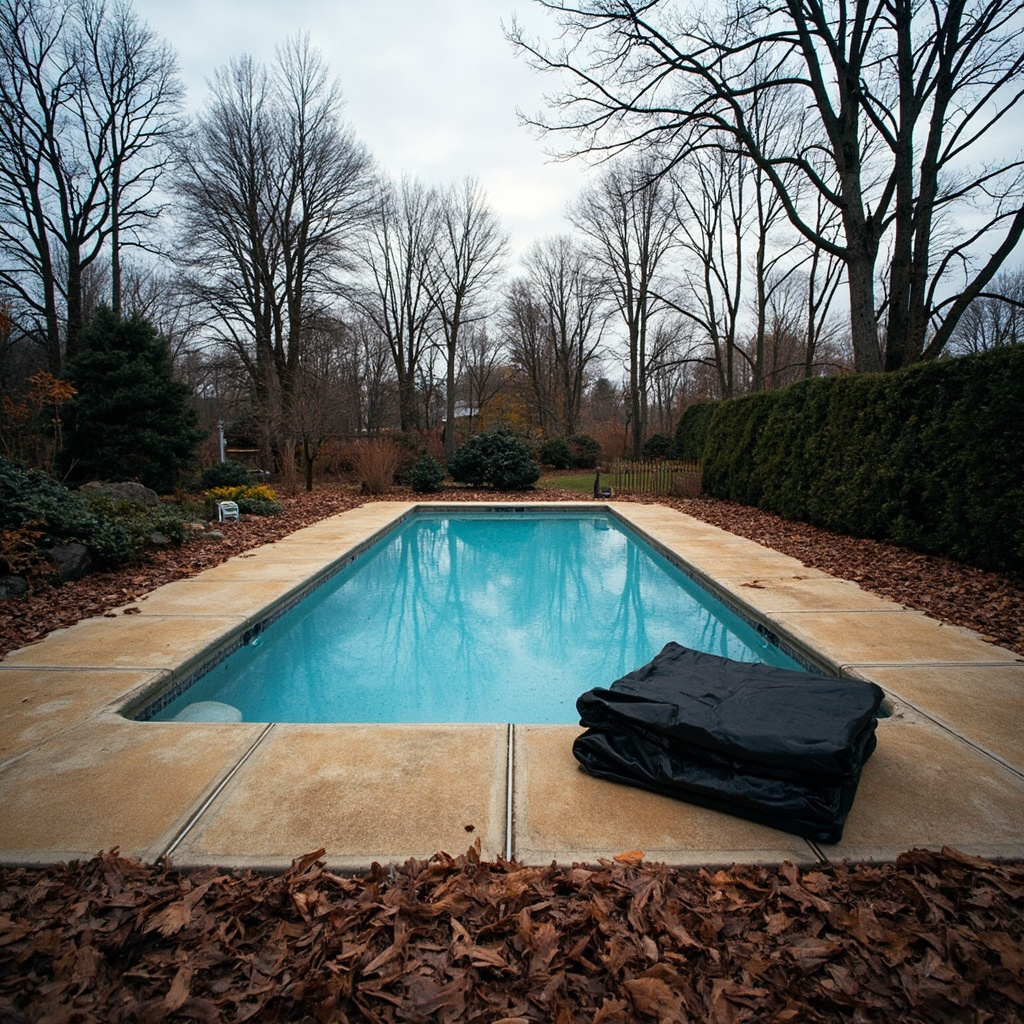
Inspect equipment, water level, and closing supplies. Check the cover for tears, the anchors for corrosion, the pump for leaks, and the filter for sand or cartridge condition. Walk the equipment pad listening for unusual pump sounds. Order any replacement parts now — supply chains slow down heading into winter, and a missed gizmo in October means a frozen pipe in February.
Test chemistry weekly but expect lower demand. As water cools, FC burns off more slowly and shock lasts longer. CC may climb as bather load drops and sanitizer holds. Reduce run time to 4–6 hours once water is consistently below 65°F. Hold pH in the 7.2–7.6 range as you ramp down — colder water holds higher TA and that drift shows up in spring as climbing pH and CC. If your cyanuric acid is already high (above 70 ppm), plan a partial drain and refill at closing to bring it back in range before the spring season.
This is also the window to check your heater and pump for end-of-season wear. A heater with visible scale or a pump with a noisy bearing won’t survive a freeze — replace now while service techs are still scheduling, not in January when the emergency rate kicks in.
Closing handoff (water below 60°F)
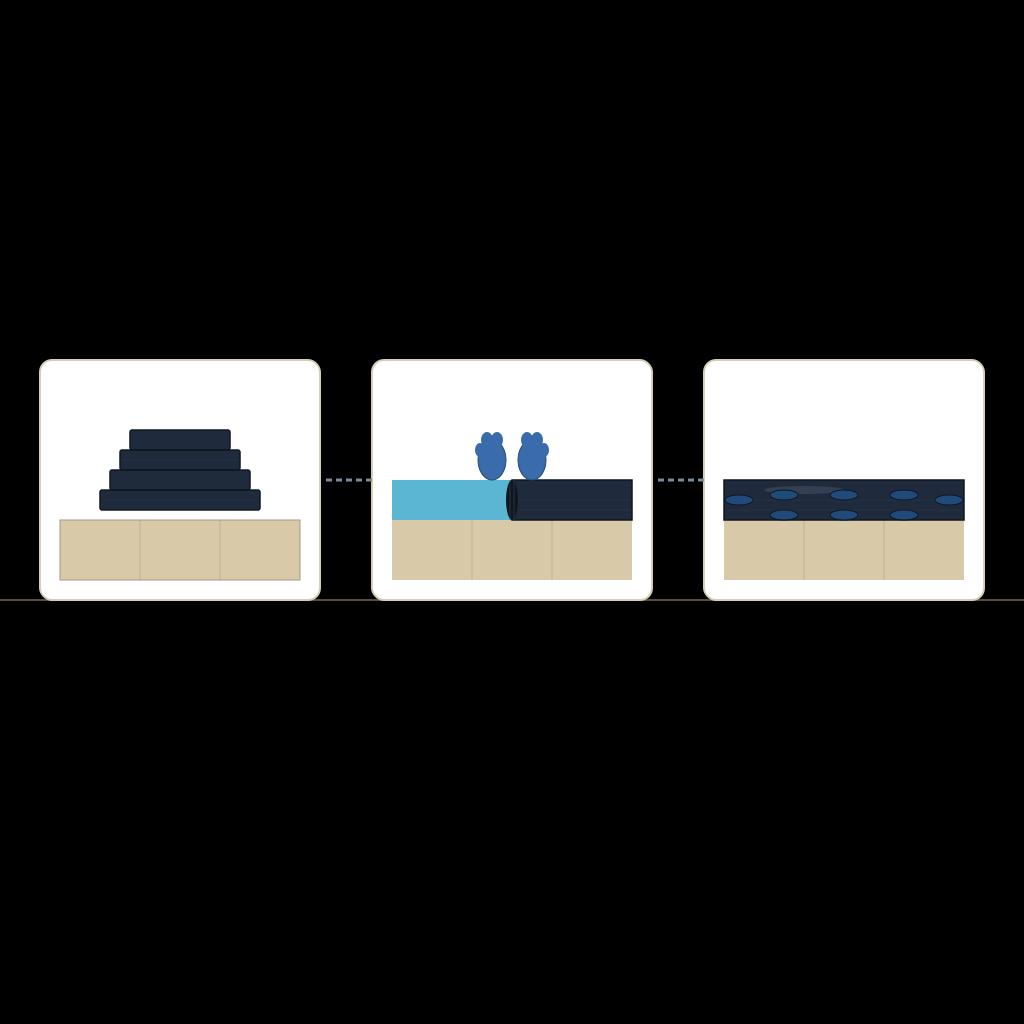
Move to the dedicated winterizing sequence. Once you’re within 2–3 weeks of your target closing date, follow the winterize pool guide step by step. The fall routine above keeps the pool in good shape until you’re ready to commit to closing. Don’t close too early — a pool covered above 50°F will outgas chlorine and need rebalancing at opening. For the cover type decision — mesh, solid, or safety — see pool cover basics, which covers ASTM ratings, drainage, and anchoring.
If your climate hits freezing before you planned to close, the emergency sequence is: top off the water level, shock to breakpoint, add winter algaecide, run the pump 8 hours, then cover. It’s not as clean as a planned close but it gets you through the first hard freeze without split plumbing.
Decision tree: which fall routine fits your pool?
Pick a fall routine that fits your pool
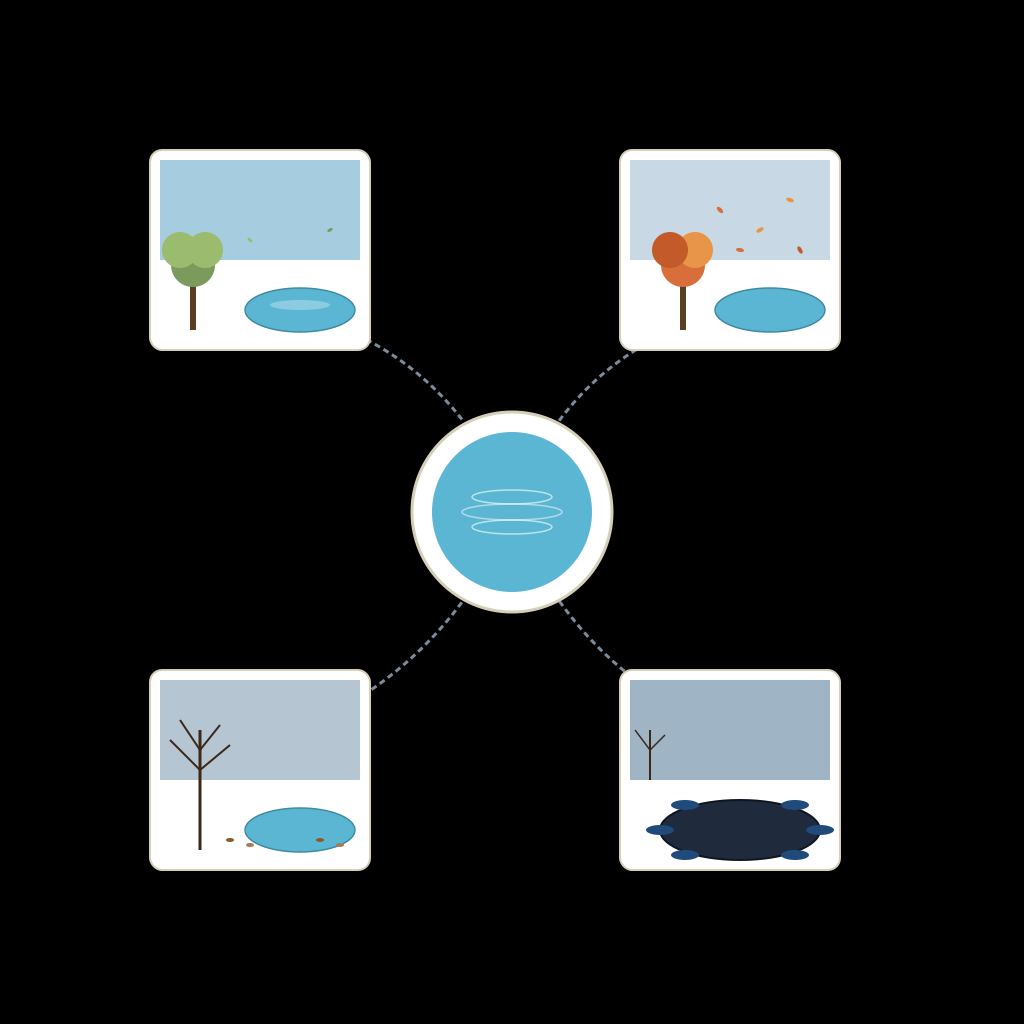
Pick the branch that matches your setup.
- Warm fall and active swimming: Keep summer-level monitoring. Water above 75°F in October is rare but possible in southern climates. Don’t reduce run time or skip tests just because leaves are falling.
- Heavy leaf drop: Increase removal and basket checks. Skim twice a day during peak; empty baskets daily. A leaf cover or net cuts the workload significantly.
- Water cooling but pool open: Adjust run time from demand and clarity. Below 65°F, drop run time from 8–12 hours to 4–6 hours. Keep circulation active — stagnation invites staining.
- First freeze forecast: Protect plumbing and finalize closing plan. Cover outdoor pipes, drain hoses, and shut off the heater. If you’re more than 2 weeks from planned close, top off the water and shock — you can hold the pool another week or two.
- Saltwater system: Follow manufacturer temperature and cell guidance. Most SWG cells stop generating below 50–55°F. Turn the cell off and switch to liquid chlorine for the remaining season — running the cell cold can damage it.
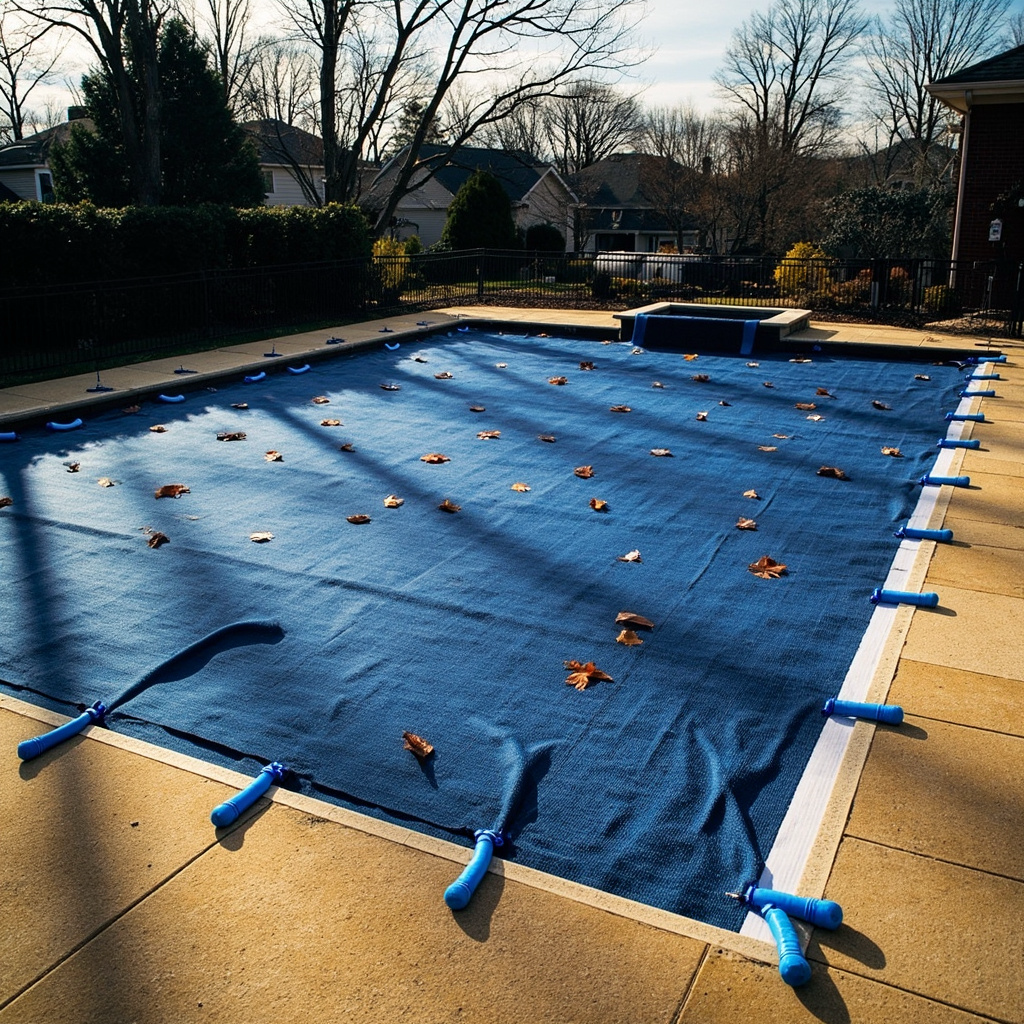
- Cover not ready: Do not rush closure; solve fit and anchoring first. A poorly-fit cover does more damage than no cover — it traps leaves and debris against the water and stains the surface.
What you’ll need
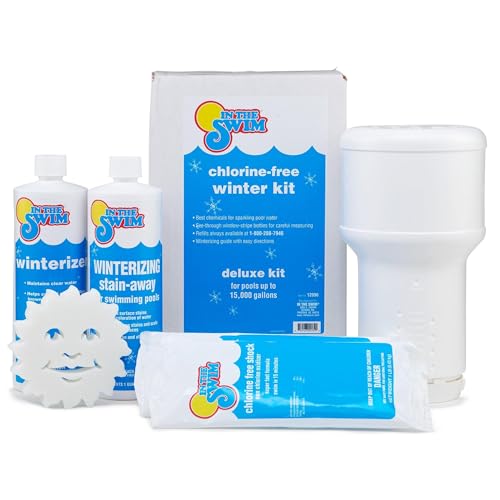
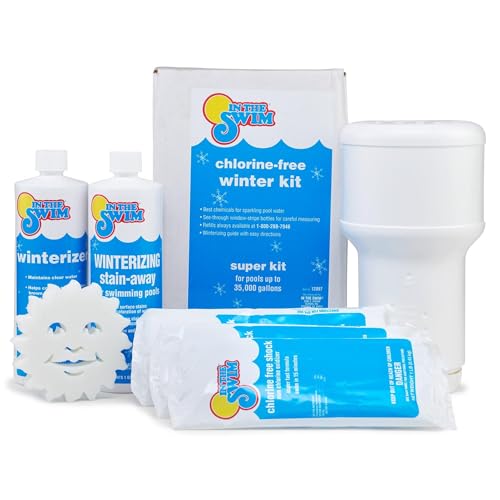
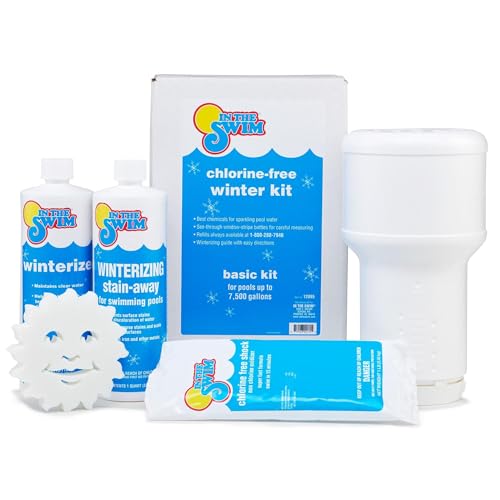
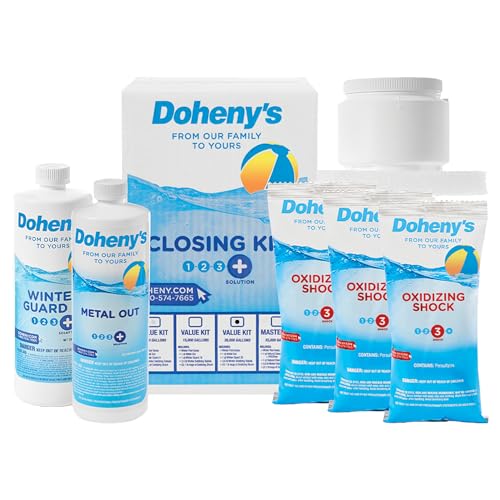
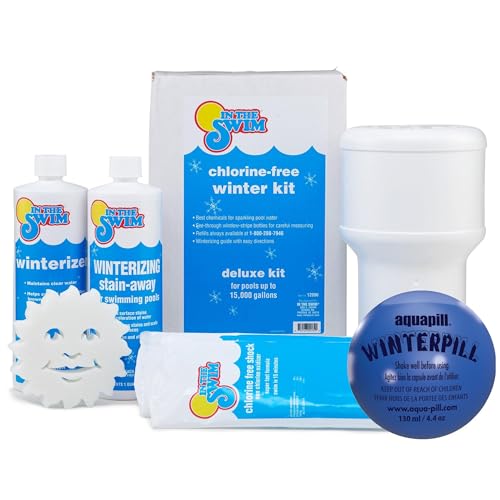
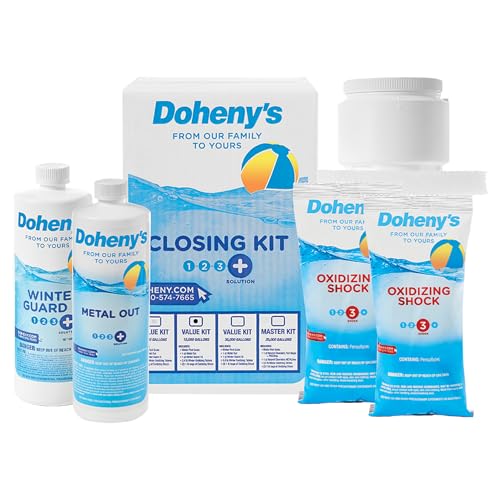
A leaf net or cover, a closing chemistry kit, a test kit, and the same brush and vacuum you’ve been using all summer. For most inground pools up to 15,000 gal, a closing kit like the In The Swim 15k covers winterizer, shock, and algaecide in one box. Larger pools up to 35,000 gal need a 35k closing kit or a pro-grade Doheny’s premium closing kit if you want commercial-grade chemistry. Above-ground pools use a 3-in-1 above-ground closing kit sized for their smaller gallonage.
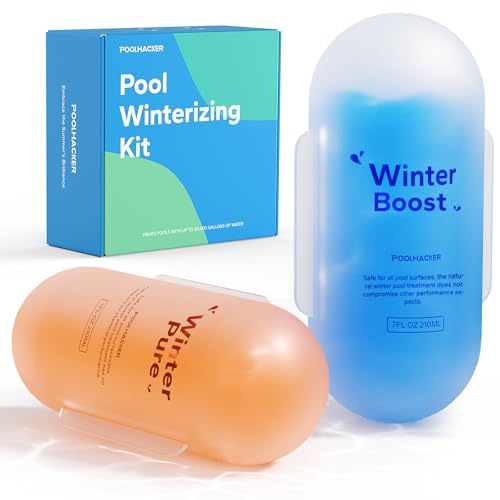
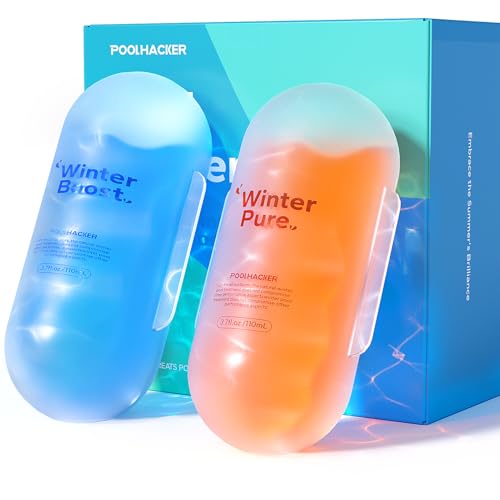
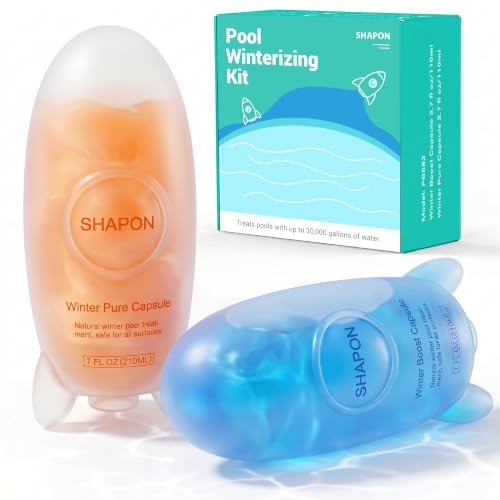
Smaller pools under 7,500 gal can use the In The Swim 7.5k closing kit or a budget POOLHACKER 3-in-1. For pools where you want a winter floater plus closing chemistry, the ITS bundle with winter pills handles passive winterization. Larger residential pools up to 30k gal on a budget can use the SHAPON closing kit for the same coverage at lower cost.
What to buy only if needed
Add to your routine only when conditions justify it.
- If you run multiple pools: A Doheny’s premium multi-pack covers two-pool closing at pro-grade pricing.
- If leaves are constant: A surface leaf net or leaf cover eliminates most of the daily skimming work.
- If you have a saltwater cell below 50°F: Switch to liquid chlorine for the remainder of the season — running the SWG cold damages the plates.
Safety notes
- Follow labels; avoid unsafe draining and slippery decks. Some climates require professional drain-back into the sanitary sewer, not onto the lawn.
- Cold-weather chemical handling is the same as warm-weather: gloves, eye protection, well-ventilated storage.
- Wet leaves on a deck are slippery — sweep them up, don’t leave them for “tomorrow.”
- Don’t drain a fiberglass or vinyl pool completely; the shell can lift out of the ground with high water table pressure. See the winterize pool page for partial-drain guidance.
When to call a pro
Keep DIY if: your water is clear, your numbers are moving toward target, your cover fits, and you can do the closing sequence in a single weekend.
Call a pro if:
- Freeze damage has already occurred (split pipes, cracked filter housing)
- Structural cover issues — ripped safety cover, missing anchors, failed springs
- Plumbing uncertainty — older pools may have non-standard fittings or non-PVC piping that requires a professional blowout
- You’re not comfortable with the full winterizing sequence
Common mistakes
Skip these winterizing mistakes
- Adding chemicals or gear by calendar without testing. “Shock on October 1” without checking CC wastes product and raises CYA. Test first — your FC target depends on water temperature, not the date.
- Skipping pool-volume, fit, or compatibility verification. Buying a 35k closing kit for a 12k pool wastes money. Buying a 7.5k kit for a 25k pool under-doses. Use your actual gallons and the kit’s coverage match.
- Treating one protection or treatment step as the whole system. A cover alone without water-level management doesn’t protect plumbing. Closing chemistry without brushing leaves organics for next spring. Each step needs the others.
- Ignoring label, weather, circulation, or maintenance constraints. Adding winterizer when water is above 60°F outgases it by spring. Closing with water level above the skimmer cracks tiles in a hard freeze. Read labels and follow the winterize pool sequence exactly.
- Waiting through repeated failure instead of escalating. Three weeks of green water with rising CC is a service call, not a “wait it out” situation. Persistent algae after correct fall chemistry is a professional escalation trigger.
Related
Key takeaways
- Start fall care when leaves increase and water temp drops, not on a fixed date.
- Manage leaves before they sink — once at the floor they stain and feed algae all winter.
- Reduce run time to 4–6 hours as water drops below 65°F; keep circulation active.
- Inspect cover, anchors, pump, filter, and water level 2–3 weeks before closing.
- Match closing chemistry to your actual gallons, not the largest kit on the shelf.
- Don’t close too early — a pool covered above 50°F will outgas chlorine and need rebalancing at opening.
- Call a pro for freeze damage, structural cover issues, or plumbing uncertainty.